What changes compared with the original?
Planet Zoo 2 adds fully aquatic and flying species, more expressive animal behaviour, and customisable Wildlife Reserves where conservation continues beyond your zoo. Planet Hub connects your locations within the current game mode, while Frontier Workshop gives you access to player-created blueprints and creations across platforms.
New animal types and behaviour
- What changes to animal types and behaviour distinguish Planet Zoo 2 from the first game?
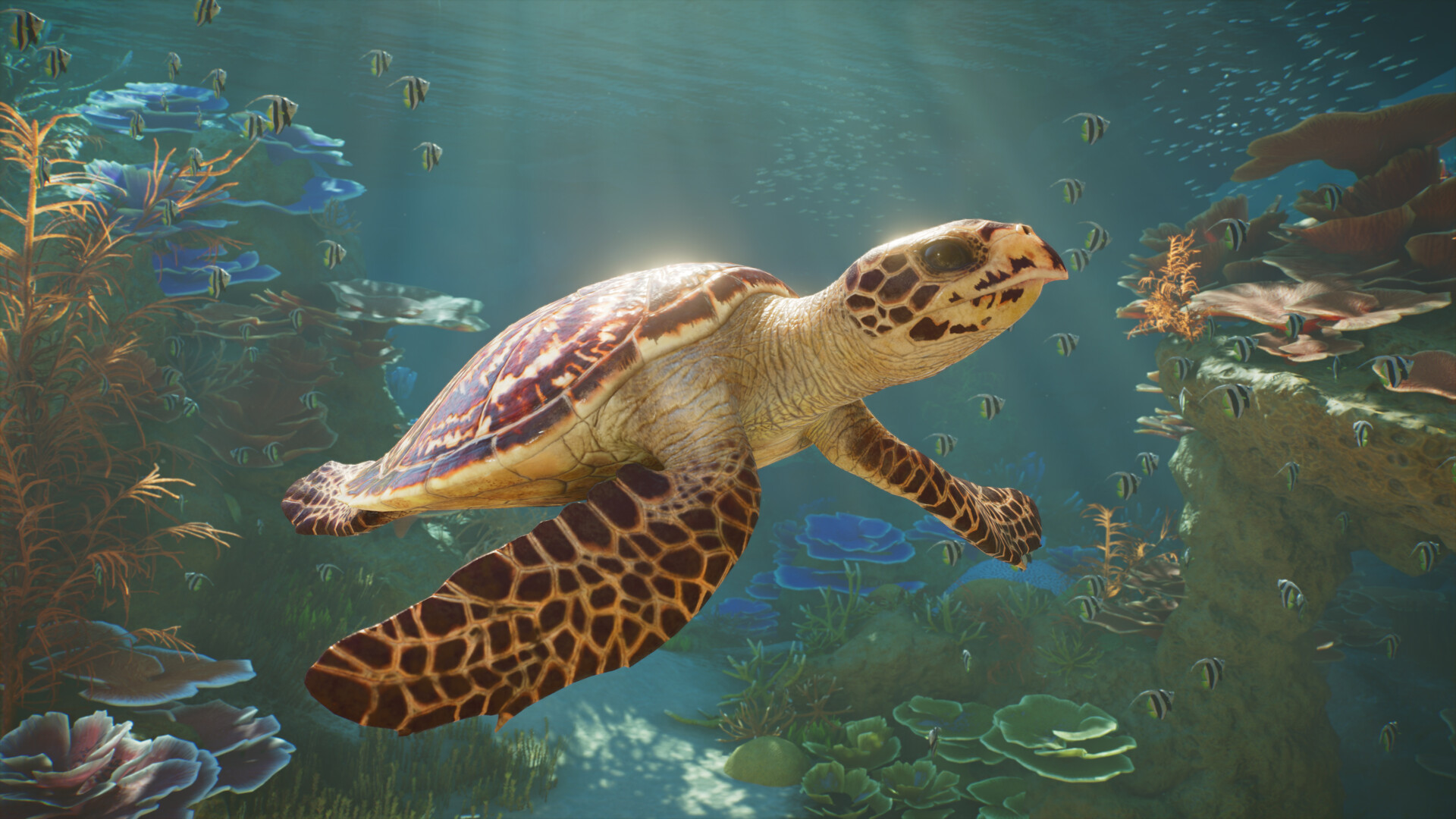
- Fully aquatic and fully flying species are the biggest additions, housed in customisable aquariums and aviaries. Aquatic examples include Blacktip Reef Sharks and Hawksbill Turtles, while flying birds include Toco Toucans and Secretarybirds. Birds and fish have full three-dimensional navigation, giving these habitats movement through the water and air. Animal behaviour also provides more visible feedback about how your animals feel. The new mood-based behaviour system can show an unhappy Sumatran Tiger becoming lethargic, while Western Chimpanzees have improved swinging, more dynamic jumping and actions such as sleeping on climbing frames. Natural herding and grazing on the vegetation you provide are also part of the sequel's animal behaviour.
- How do cohabitation and walkthrough aviaries affect habitat planning?
- Cohabitation returns with a larger management role, and some animals need it to thrive. A demonstrated shared habitat combines Great Hornbills with Malayan Tapirs, giving you a concrete example of birds and terrestrial animals living together. Treat shared habitats as a species-specific design choice rather than assuming any animals can mix. Aviaries can also allow guests to walk through when it is safe, with a Toco Toucan walkthrough shown as an example. Not every bird welcomes visitors, so choose the occupants before committing to that visitor experience. Aquatic animals also have mixing restrictions, and marine, freshwater and brackish species need appropriate water filtration.
Conservation and managing your network
- How do Wildlife Reserves, Planet Hub and the game modes change the conservation and management loop?
- Wildlife Reserves extend your work into restoring ecosystems and releasing zoo animals after meeting conservation requirements. Planet Hub brings your international network together, while Career, Franchise and Sandbox offer different ways to build and manage it. Career follows an adventure with FEN, Franchise combines a global network of zoos and reserves with animal trading between players, and Sandbox offers unlimited creativity. Reserves contain multiple ecosystems with their own flora and terrain needs, and a research outpost is required before animals can be released. Releases use groups selected by species and group type, with the animals needing to meet that group's requirements. Improving reserve biodiversity contributes to your accreditation rating and unlocks new opportunities, giving conservation a continuing role alongside zoo development.
- What can you manage through Planet Hub?
- Planet Hub lets you establish locations, view your network and visit zoos or Wildlife Reserves across the globe. It also centralises trading, animal storage and research across locations within your current game mode. You can open it while playing without returning to the main menu, making it easier to move between locations as your conservation network grows.
- What does the new Thriving state add to animal welfare?
- Thriving goes beyond meeting an animal's basic welfare needs and starts with research into the species and its needs in the wild. A natural, enriching environment enables animals to thrive, helping them live longer and encouraging guests to donate more. Research also unlocks items, improved welfare options and opportunities to release animals into Wildlife Reserves, so investing in your animals supports both your zoo and conservation work.
- Which management changes will returning players notice?
- Zoo Reputation has been streamlined compared with the original into a rating out of five stars. It reflects Animal Husbandry, Sustainability, Guest Education and Guest Experience, connecting your overall performance to animal care, infrastructure and visitors. Guests also enjoy seeing Vets and Keepers working, so staff facilities and utilities can be part of the visitor-facing zoo. Staff satisfaction still needs attention through training, sufficient salaries and manageable workloads. Guests need useful viewing areas, but animals also need places to retreat from view and avoid stress. When planning an expansion, balance the visitor route with animal privacy and the staff support that keeps the habitat running.
Building tools and community creations
- What does Frontier Workshop provide across platforms, and what should returning players check before buying?
- Frontier Workshop lets you browse and download player-created blueprints and creations across platforms, then subscribe to favourites to place in your zoos. For returning players, compare the available animal content in Standard and Deluxe and check the hardware requirements for your chosen version. If community builds are a major attraction, consider whether you want ready-made creations, your own detailed construction projects or a mixture of both.
- What changes for players who mainly enjoy building?
- The scenery library includes four new themes and five returning themes from the original Planet Zoo. Ready-to-place blueprints sit alongside piece-by-piece construction, with scaling, flexi-colour and pathing tools for detailed designs. New foliage and terrain brushes also let you make broad changes to zoos and Wildlife Reserves, extending your building projects beyond guest-facing habitats.
Choosing an edition and checking your PC
- What extra content does Deluxe include?
- Deluxe bundles the base game with the Deluxe Upgrade Pack, adding six animal species and exclusive animal signs. Compare that additional roster with the animals you most want to build around before choosing an edition. Returning PlayStation Store customers who previously purchased Planet Zoo can also check the Planet Zoo 2 Deluxe listing for the advertised 10% pre-order discount.
- Which PC requirements should you compare before purchasing?
- The Steam minimum requirements include an Intel i7-8700K or AMD Ryzen 5 3600 processor, 16 GB RAM and 40 GB of available storage. Listed minimum graphics options are an NVIDIA GeForce RTX 2060 with 6 GB VRAM, AMD Radeon RX 5600XT with 6 GB VRAM or Intel Arc A750 with 8 GB VRAM. Check your processor and graphics model directly against those requirements before buying. Windows 11 is the recommended operating system, with an SSD required for the recommended specification. Although Windows 10 appears in the minimum requirements, the listing says ongoing compatibility cannot be guaranteed following the end of Microsoft support. The Steam version also lists full controller support, adjustable text size and saving at any time, which may help you choose how you want to play.